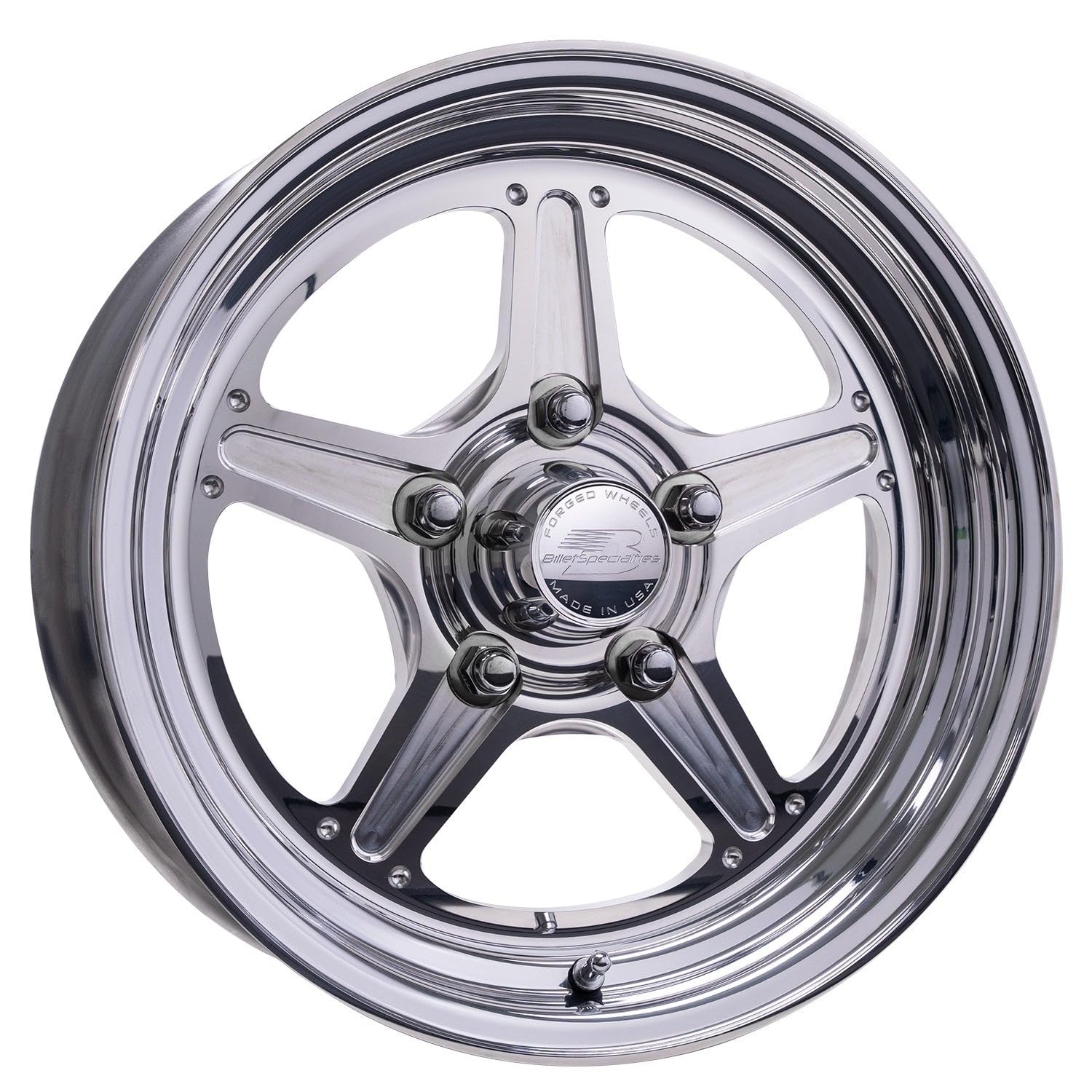
If you’ve ever searched for a set of custom wheels and felt genuine sticker shock — “Why does one set cost $400 and another cost $4,000?” — this article is written specifically for you. Custom aluminum wheels are manufactured using three fundamentally different processes: casting (molten metal poured into a mold), forging (a solid aluminum billet compressed under enormous pressure into a wheel shape), and billet machining (a solid chunk of aluminum physically cut and shaped by a CNC machine). Each method produces a wheel with different structural properties, different weight, and a very different price tag. The gap isn’t marketing fluff — it reflects real differences in material cost, labor hours, and the mechanical result you get. By the end of this guide, you’ll know exactly which construction type fits your build, your budget, and what you’re actually putting your vehicle through.
If you’re already past the basics and currently sitting on a quote from a fabricator or staring down a decision between two wheel lines, this is the decision framework you need. We’ll name the tradeoffs directly, show the cost math, and end with clear if/then rules.
What the Three Processes Actually Produce — and Why It Matters Structurally
Cast Wheels: The Baseline
Casting is the oldest and most affordable aluminum wheel manufacturing method. Molten aluminum alloy is poured into a wheel-shaped mold and allowed to cool and solidify. Most cast wheels use a process called low-pressure die casting (LPDC), which applies controlled air pressure during the pour to reduce internal voids and porosity — the tiny air pockets that become trapped in the metal as it cools.
The structural reality of cast aluminum: because the metal was once liquid, the grain structure — the microscopic crystalline pattern that gives aluminum its strength — is essentially random. Random grain structure means the metal is more isotropic, which sounds fine until you’re cornering hard, hitting a pothole, or loading a heavy SUV. Porosity also remains a concern even with LPDC; it is reduced, not eliminated.
According to Tire Rack’s Wheel Construction and Material Guide, cast wheels are entirely suitable for everyday driving but carry a higher susceptibility to cracking under sharp impact compared to forged alternatives. For show vehicles that spend minimal road time, this tradeoff is acceptable. For daily drivers on rough roads, it warrants serious consideration.
Cast wheel cost range (2026 market): $80–$400 per wheel for quality aftermarket pieces. Entry-level spinner hubcap sets in the $20–$80 range are almost universally cast or stamped.
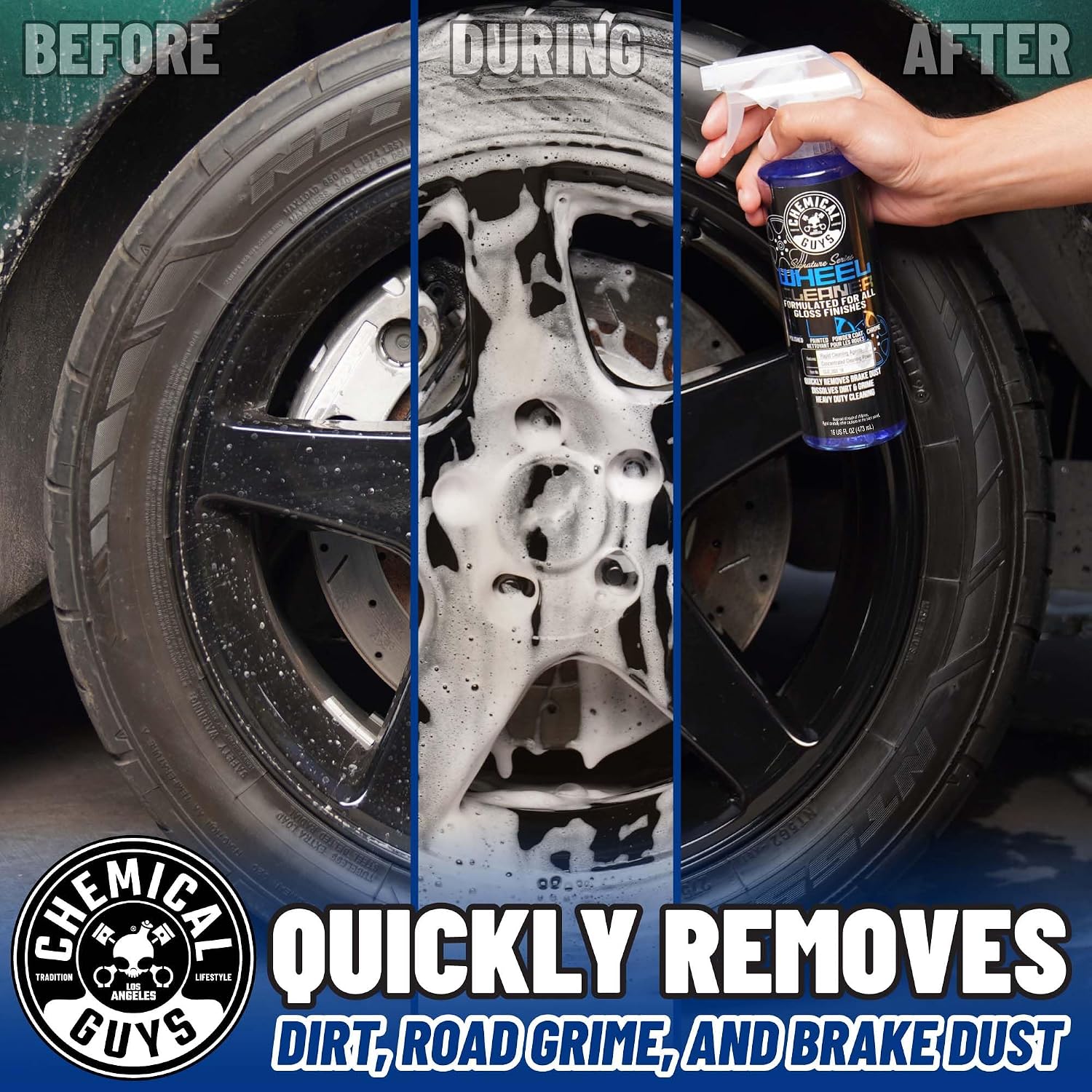
Chemical
$6.59
In stock on Amazon
Check price on AmazonForged Wheels: The Performance Benchmark
Forging starts with a solid cylindrical billet of aluminum alloy. That billet is heated — not to liquid, but to a pliable temperature — and then compressed under a hydraulic press that can apply 10,000 tons or more of force. The compression forces the aluminum grain structure to align along the contours of the wheel, which is what gives forged wheels their reputation for strength-to-weight superiority.
Motor Trend’s coverage of wheel manufacturing, “How Forged Wheels Are Made,” describes the result clearly: the aligned grain structure means forged wheels can achieve equivalent or greater strength at meaningfully lower weight than a comparable cast piece. That weight reduction matters for two reasons. First, unsprung weight — weight not supported by the suspension — directly affects ride quality and handling response. Second, lighter wheels mean less rotational inertia to spin up from a stop or slow down at a light.
The machinery cost and material processing inherent in forging are the primary price drivers. The process requires industrial presses, proprietary tooling dies for each wheel design, and significant quality-control infrastructure. That overhead does not disappear from the pricing.
Car and Driver’s reporting on wheel weight and handling performance places the unsprung weight difference between a quality cast 22-inch wheel and a comparable forged 22-inch wheel at roughly 3–6 pounds per corner for production designs — a difference that is noticeable in steering feel even if it is invisible to a judge at a show.
Forged wheel cost range (2026 market): $400–$1,200 per wheel for branded production forged pieces. Custom or semi-custom forged wheels from houses like Giovanna or Lexani push $800–$2,000+ per wheel depending on size and finish.
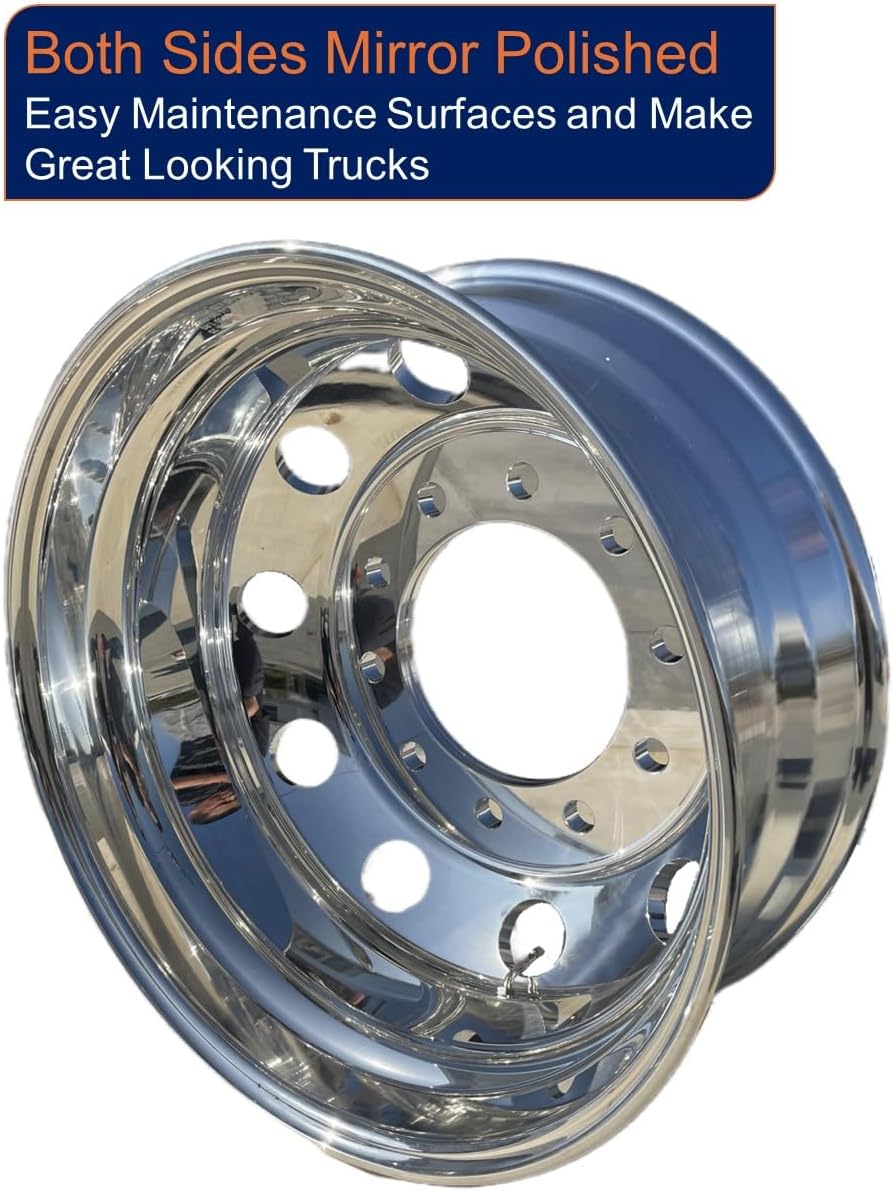
Aluminum
$289.00
In stock on Amazon
Check price on AmazonBillet Wheels: Pure Machined Aluminum
Billet wheels begin as a solid aluminum block — the same raw starting material as forging — but instead of being compressed into shape, the wheel is literally cut out of that block by a CNC (computer-controlled) milling machine. The machine removes everything that isn’t the wheel.
This process allows virtually unlimited design complexity. Any spoke geometry, any surface cut, any depth of relief or undercutting that can be programmed into a CNC can be realized in aluminum. Hot Rod Magazine’s coverage of billet fabrication shops, in its “Billet Aluminum Fabrication Basics” feature, consistently emphasizes this design freedom as the core value proposition: you are not constrained by a die or a mold.
The tradeoff: billet machining is material-intensive (you’re buying a full block and paying to cut most of it away), machine-time-intensive (complex designs run many hours per wheel), and requires skilled CNC programming and finishing labor. For competition low-rider builds or high-end show truck packages, the look and customization potential justify that cost. For a daily-driven Escalade, it may be overkill.
Billet wheels also tend to be slightly heavier than comparable forged pieces because the machining process does not produce the same grain-alignment benefit that forging delivers. You are paying for aesthetics and customization depth, not for a structural advantage over forging.
Billet wheel cost range (2026 market): $1,200–$3,500+ per wheel for high-end custom pieces. Full custom billet spinner packages from specialty fabrication shops commonly run $2,000–$5,000 per set at the low end and well above that for competition builds.
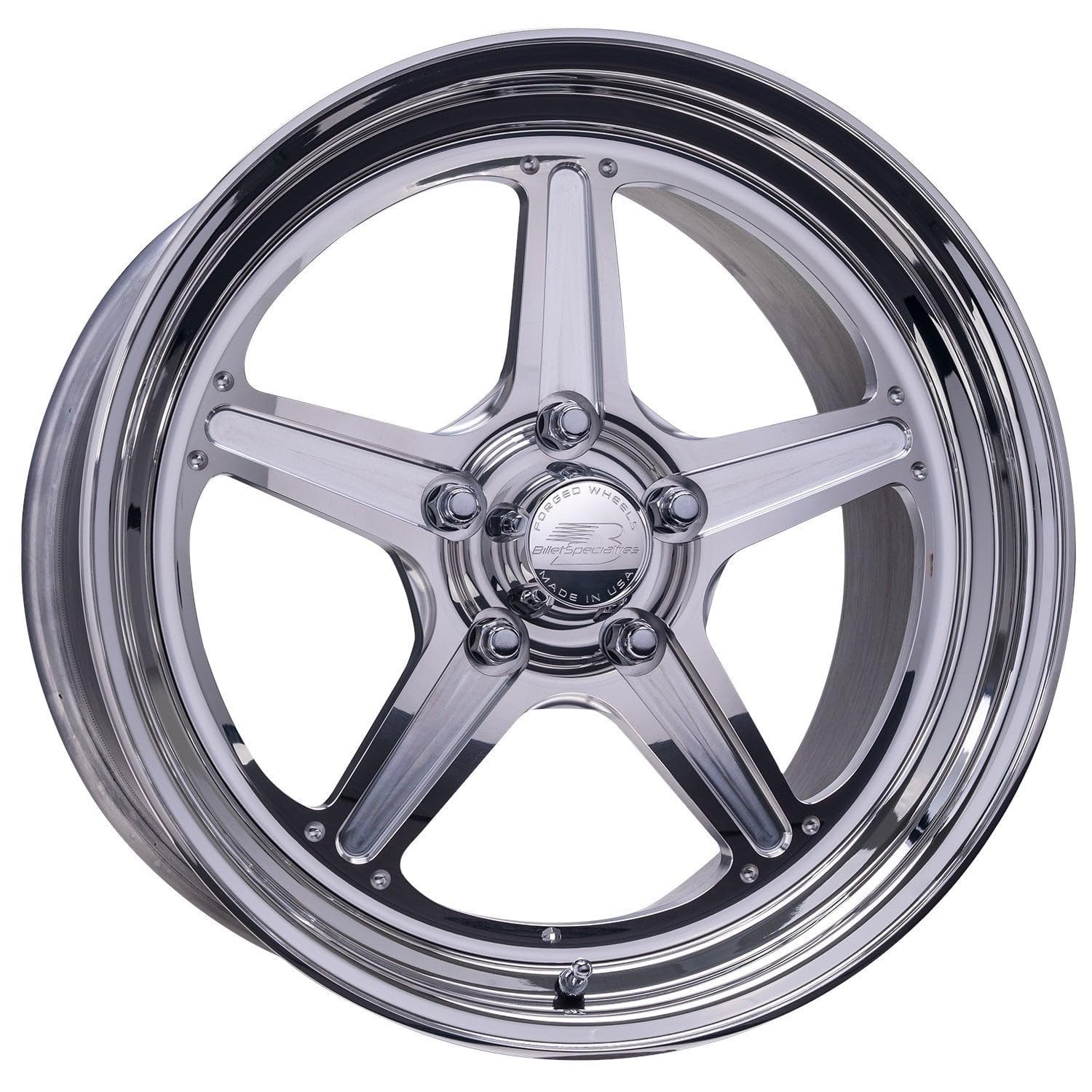
BILLET
$580.96
In stock on Amazon
Check price on AmazonThe Real Cost Math: What You’re Paying For Per Dollar
Here’s a simplified breakdown of where the money goes at each tier, followed by a comparison table showing how the three construction methods stack up across the variables that matter most:
| Construction | Material Cost | Tooling & Machine Time | Per-Wheel Street Price (22”) | Grain Alignment | Design Freedom |
|---|---|---|---|---|---|
| Cast (LPDC) | Low | Low (mold reuse) | $120–$350 | Random | Moderate |
| Chemical — $6.59 | |||||
| Forged (production) | Medium | High (press + die) | $600–$1,400 | Aligned | Low–Moderate |
| Aluminum — $289.00 | |||||
| Billet (CNC custom) | High (block waste) | Very High (CNC hours) | $1,500–$3,500+ | Random (cut) | Maximum |
| BILLET — $580.96 |
SEMA’s Vehicle Personalization and Aftermarket Wheel Market Report consistently places the mid-range forged segment ($800–$2,000 per set) as the highest-volume growth area in the custom wheel category, driven by luxury SUV owners seeking performance credibility alongside visual upgrades. That data point matters when you’re deciding where your build sits competitively on the show circuit.
Spinner and Floater Applications: Does Construction Type Change the Calculus?
It does, and this is where many buyers get tripped up.
Traditional spinner wheels — where the center cap or decorative insert keeps spinning by inertia after the wheel stops — introduce mechanical complexity that changes the structural demands on the wheel. The floater assembly (the spinning inner section held by a bearing system, independent of the outer wheel’s rotation) adds weight and torque loads at the center bore. That bearing and hub interface needs a structurally sound mounting surface.
For entry-level spinner hubcap sets ($20–$80) designed to clip over existing wheels, the construction type of the underlying wheel is largely irrelevant — the spinner is decorative and the structural load stays on the factory wheel.
For mid-range chrome wheel cover or floater assemblies ($200–$800), the mounting interface is more permanent and the weight of the floater assembly increases. A quality cast wheel from a reputable manufacturer handles this fine for show use and moderate road miles.
For high-end billet or forged floater wheels ($800–$2,000+), you’re typically buying the wheel and the floater system as an integrated unit — designed together, with the bearing housing machined into the wheel face. This is where construction type matters directly: the precision tolerances required for a smooth-spinning floater assembly are much easier to achieve and maintain in machined billet or forged aluminum than in cast. Porosity in a cast wheel at the bearing seat can lead to premature bearing wear and vibration.
This is also where counterfeit and replica sourcing creates real problems. Replica pieces sold as billet are often low-pressure cast with a machined surface finish applied after the fact to mimic the billet look. If the floater bearing seat is cast rather than truly machined, you will feel the difference within a few thousand miles. Checking for manufacturer documentation, SEMA-affiliated distributor sourcing, and physical weight (forged and billet run heavier than replica cast at equivalent size) are your primary counterfeit tells.
Fitment Realities That Compound the Cost Difference
Neither construction type forgives poor fitment. A few cost items that frequently get discovered late:
Hub rings: Most aftermarket wheels — cast, forged, or billet — have a center bore larger than the factory hub diameter on your specific vehicle. Hub rings (plastic or aluminum inserts) fill that gap and prevent vibration. They run $5–$25 per corner but are non-negotiable on precision builds. Forged and billet wheels from reputable manufacturers will specify whether hub rings are required for your application; cast pieces from lower-tier sources often do not.
TPMS sensors: If your vehicle has factory tire pressure monitoring, switching to aftermarket wheels requires either reusing your factory sensors (if compatible) or purchasing new ones. Sensors run $50–$80 each, and many shops charge $15–$30 per corner for programming. Budget $250–$400 for this on a four-wheel swap before you arrive at the installer.
Lug seat compatibility: Forged and billet wheels in the premium segment frequently use a flat or shank-style lug seat rather than the tapered (conical) seat common on factory applications. Using the wrong lug nuts — even if the thread pitch matches — creates an improper seating load that can cause studs to fail under driving load. This is a documented failure mode, not a theoretical one. Always confirm lug seat type at purchase and bring that documentation to your installer.
The Decision Rule: If X, Then Y
If you’re building a show-only or display vehicle that will see minimal road miles and you’re prioritizing visual impact on a defined budget, quality cast wheels from a reputable OEM-adjacent supplier represent the rational choice. The structural limitations of casting are non-issues under light use, and the money saved can go into finish quality, fitment hardware, and the floater assembly itself.
If you’re building a weekend show truck or luxury SUV daily driver — Escalade, Navigator, G-Wagon — that needs to look competition-level but also function reliably on real roads, production forged wheels in the $800–$1,600 per-wheel range from established names like Giovanna, Lexani, or Wheel Pros hit the right balance. You get meaningful weight savings, a credible structural story, and OEM-quality fitment documentation.
If you’re competing on the show circuit, running a custom low-rider build, or commissioning a vehicle where every visible surface is a statement of craftsmanship, billet CNC-machined wheels from a specialty fabrication shop are the only honest choice. The design freedom, finish precision, and provenance story you can tell a show judge simply do not exist in any other construction method. Budget accordingly: $2,000–$5,000 per set is not an anomaly — it is the market rate for real work.
If anyone quotes you “billet-machined” wheels at cast prices, ask for the CNC shop’s documentation and physical grain photos. The price gap in this market is, in fact, justified — and that justification works in both directions.