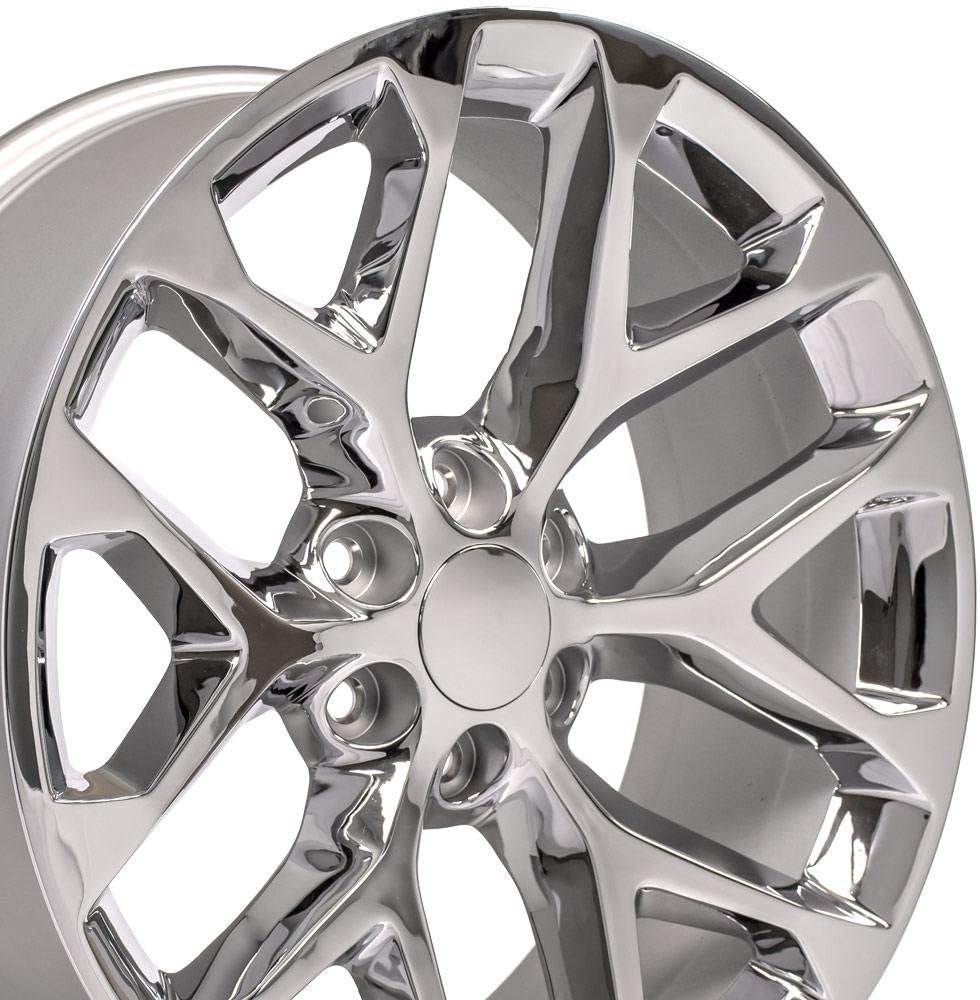
If you’ve ever searched for spinning rims — wheels with a center piece that keeps rotating (or “floating”) even after the car stops moving — you’ve probably seen the same thing: a jaw-dropping set of chrome floaters at a price that seems almost too reasonable. Sometimes that deal is exactly what it looks like — a budget-friendly replica built to give you the aesthetic without the luxury price tag. Other times, it’s something more troubling: a counterfeit wheel wearing a premium brand’s logo without the engineering, metallurgy, or safety testing behind it. The difference matters enormously. A replica is a legal product from a third-party manufacturer making no claim to be something it isn’t. A counterfeit is a fraud — and in the worst cases, a safety hazard that can fail under load at highway speed. This guide will help you tell them apart, work through the real math, and make a purchase decision you won’t regret six months down the road.
| EDITOR'S PICK[FUEL OFF-ROAD D620 HARDLINE 18X9](https://www.amazon.com/dp/B07K1L11RB?tag=greenflower20-20) | Mid-tier[OE Wheels CA82 22 Inch Rim Fits…](https://www.amazon.com/dp/B004SJL17A?tag=greenflower20-20) | Budget pick[Vision Warrior 375 Gloss Black…](https://www.amazon.com/dp/B004P5O63S?tag=greenflower20-20) | |
|---|---|---|---|
| Wheel diameter | 18" | 22" | 16" |
| Bolt pattern | 6x135/5.5 | 6x139.7 | 6x139.7 |
| Width (inches) | 9" | 9" | 8" |
| Offset (mm) | 5.08 | — | — |
| Finish | Gloss Black Milled | Chrome | Gloss Black Machined |
| Backspacing (mm) | 2 | — | — |
| Price | $395.00 | $346.00 | $143.01 |
| See on Amazon → | See on Amazon → | See on Amazon → |
Replica vs. Counterfeit: The Distinction That Changes Everything
Most buyers use these words interchangeably. They’re not, and the gap between them has real consequences for your safety and your wallet.
A replica wheel is manufactured by a company that openly copies a design or style — think “inspired by Giovanna” or “DUB-style floater.” These products are legal in most markets because wheel designs have historically been difficult to protect under U.S. intellectual property law. Design patent enforcement in the wheel segment remains inconsistent and jurisdiction-dependent, a point SEMA’s Specialty Equipment Market Association Counterfeit Parts Education Initiative (2024) has raised repeatedly in its public advocacy materials. Reputable replica makers typically publish their own brand name, provide some form of load rating, and don’t claim their product passed the safety certification of the brand they’re emulating.
A counterfeit wheel carries a fake version of a real brand’s logo, model name, or certification stamp. The listing might say “Giovanna Forged” or show a DUB logo embossed on the center cap — but the wheel never passed through those manufacturers’ supply chains. It hasn’t been load-tested to their standards. The JWL (Japan Light Alloy Wheel standard) or TÜV stamp visible on the spoke may be a sticker rather than a certifying body’s actual mark. Motor Trend’s investigation into counterfeit wheels reported that inspectors have found barcode sequences on fake wheels that don’t resolve to any registered product when scanned — they exist purely to look legitimate in a listing photo.
Why this matters for your build:
- A replica from a reputable third-party house can be a legitimate value decision, especially for novelty hubcap spinners in the $20–$80 range or entry floater sets under $400.
- A counterfeit premium wheel is never a value decision. It may look identical to a $1,400 billet piece in a listing photo and arrive structurally compromised — thinner wall sections, lower-grade aluminum alloy, no real heat treatment.
What the Listing Won’t Tell You (But the Clues Are There)
You’re working from a listing — a product page, a marketplace post, a distributor PDF. Here’s how to read between the lines.
Price-to-Specification Mismatch
Genuine billet-machined spinner wheels from houses like Giovanna, Lexani, or Wheel Pros carry the cost they carry for a reason: CNC machining time, aerospace-adjacent aluminum billet stock, and multi-stage finishing. Consumer Reports’ aftermarket wheel safety overview notes that a legitimate forged or flow-formed wheel in the 22–26 inch range carries material and labor costs that make it nearly impossible to land below $400–$500 per wheel at honest margins. If a listing is showing you a “Giovanna Encore” or “Lexani LX-15” set of four at $600 shipped, you are not looking at a genuine Giovanna or Lexani product.
The comparison below breaks down the three tiers most spinner buyers encounter, from entry-level novelty caps to full billet floater builds. Understanding which tier you’re actually shopping — and what realistic pricing looks like at each level — is the fastest way to identify a price that doesn’t add up.
Entry-Level: Novelty Hubcap Spinners and Cover Sets
These are the most accessible products in the spinner segment — plastic or lightweight chrome hubcap-style spinners that clip or bolt over an existing wheel, and chrome cover sets that wrap a standard steel or alloy wheel. Legitimate products in this tier are openly sold as what they are: cosmetic accessories, not structural components. No brand-name premium wheel manufacturer is represented here. Per-piece pricing in the $20–$80 range is realistic and honest.
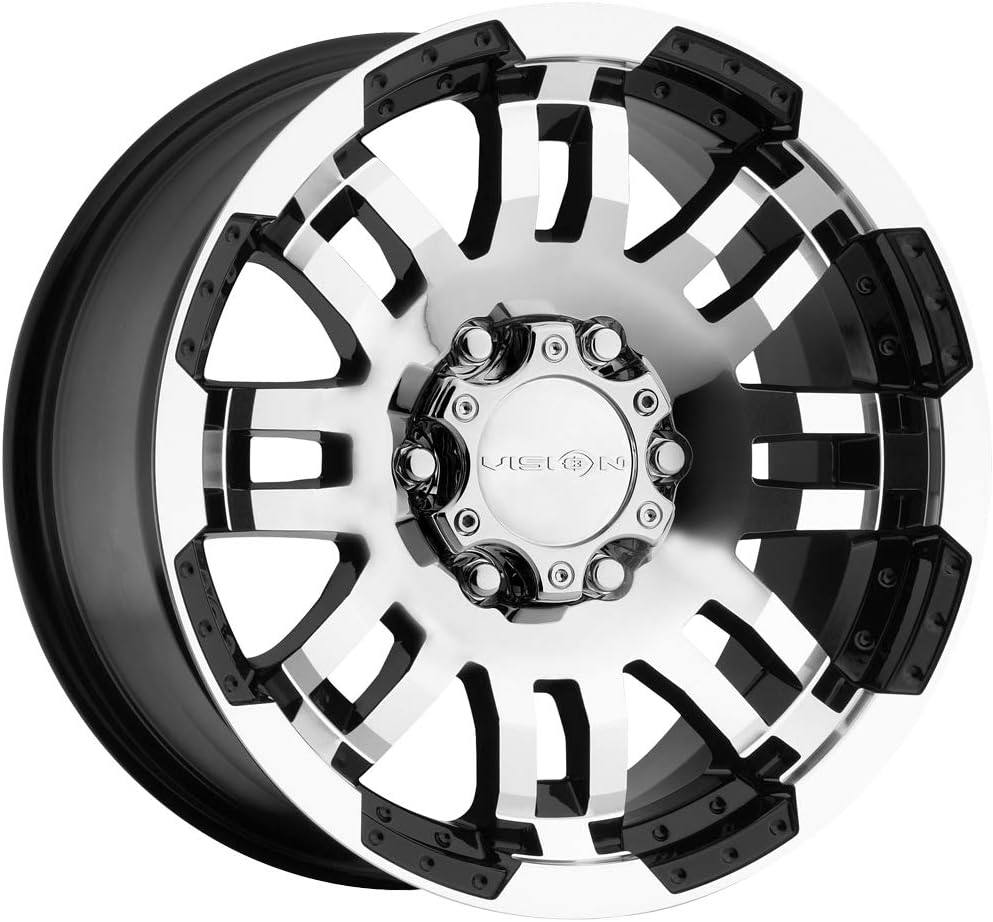
Vision
$143.01
In stock on Amazon
Check price on AmazonMid-Range: Chrome Floater Covers and Entry Billet Sets
This tier covers the gap between novelty accessories and full custom work — chrome floater cover assemblies from established mid-market houses, and entry billet floater sets from recognized brands. Tire Rack’s wheel safety and load rating explainer emphasizes that any wheel in this tier should carry a published load rating appropriate for the vehicle’s GVWR (gross vehicle weight rating), and that JWL certification should be documentable rather than decorative. Realistic per-wheel pricing in 2026 runs $150–$350 for chrome cover floaters and $350–$500 for entry billet sets. Listings showing name-brand product at the low end of that range or below it warrant scrutiny.
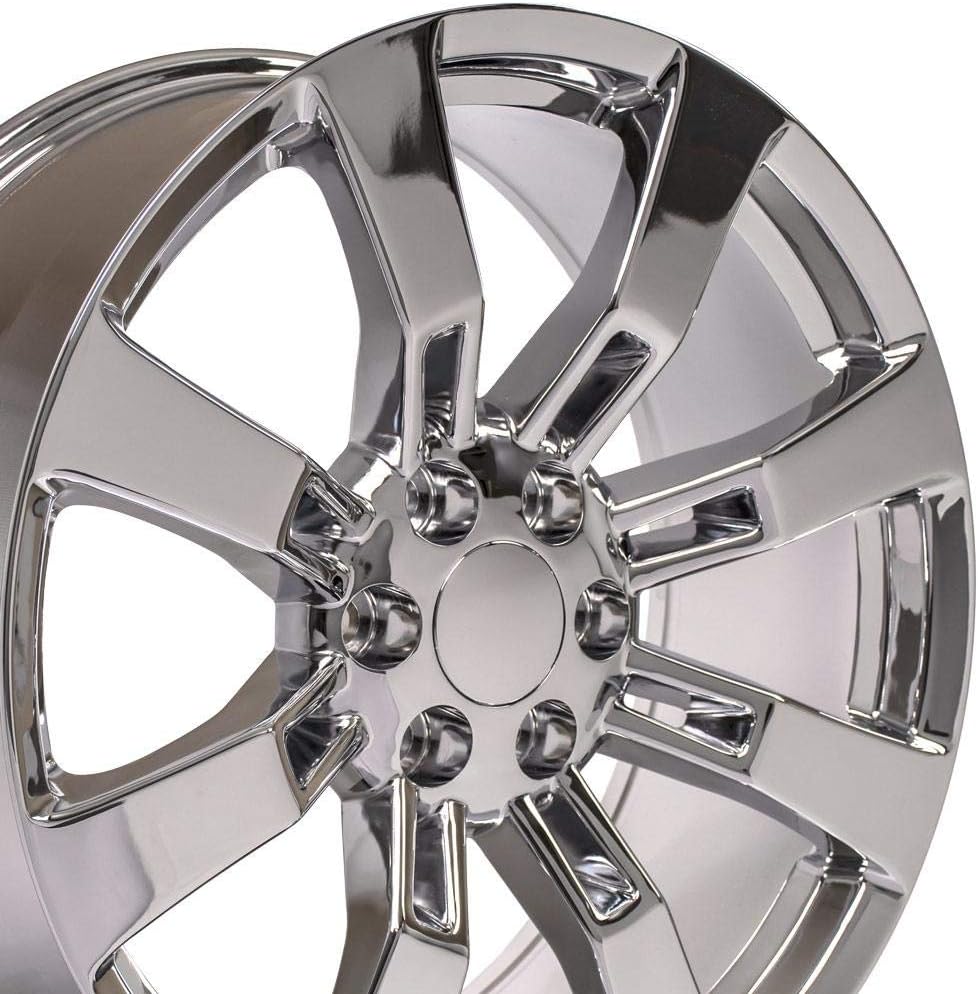
OE
$346.00
In stock on Amazon
Check price on AmazonPremium: Full Billet Floaters from Named Fabricators
Giovanna, Lexani, Forgiato, and similar houses operate in this tier — CNC-machined billet aluminum, multi-stage finishing, published fitment specifications, and verifiable safety certification. Lowrider Magazine’s custom wheel buyer’s guide describes the distinguishing characteristics of this category: consistent tool-path machining marks visible under magnification, hub bore tolerances held to application-specific specs, and center caps that are precision-cast or machined rather than adhered. Per-wheel pricing floors in the $450–$700 range for standard configurations; full custom fabrication runs higher. Any listing presenting genuine premium billet product below $300 per wheel is not presenting genuine premium billet product.
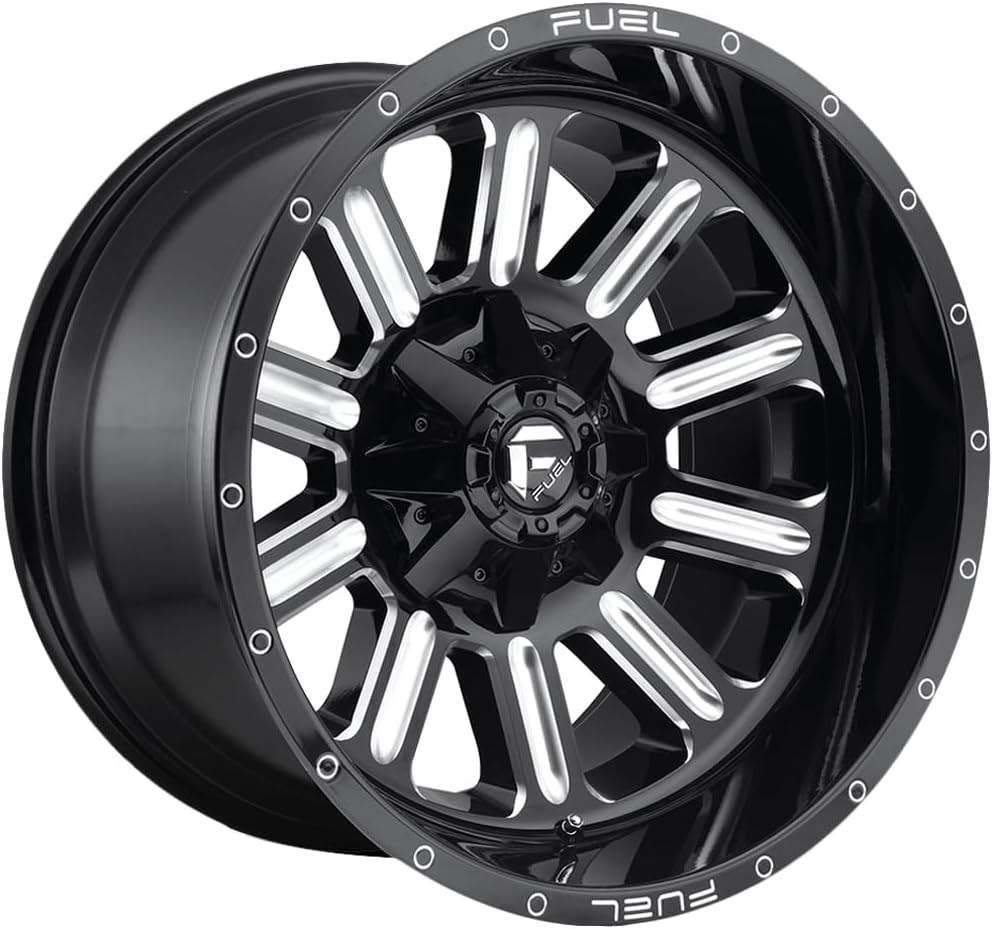
FUEL
$395.00
In stock on Amazon
Check price on AmazonCertification Language: What the Stamps Mean and When They’re Fake
Legitimate wheels carry certifiable third-party safety ratings. Look for:
- JWL — Japan Light Alloy Wheel standard; the baseline rotary bending and radial fatigue certification required in Japan and widely adopted internationally
- VIA — The Japanese certification body that independently validates JWL claims; a wheel with VIA marks has been tested by a third party, not self-reported
- TÜV — German technical inspection association; commonly seen on European-market wheels and increasingly used as a marketing signal in the U.S. aftermarket
Tire Rack’s wheel safety and load rating explainer makes clear that JWL/VIA marks on a listing should be cross-verifiable with the certifying body’s published registry. If a seller cannot point to a registry entry or provide the actual certificate on request, treat that mark as decorative. Counterfeiters know buyers scan for these logos, so they apply them — but they rarely bother forging the underlying documentation trail.
SEMA’s Counterfeit Parts Education Initiative documented a meaningful shift in counterfeit sophistication between 2022 and 2024: rather than obvious knockoffs with typos on the box, sophisticated operations now reproduce packaging, holographic stickers, and QR codes that route to functional but fraudulent product-verification landing pages. The QR code doesn’t go to the brand’s actual registry — it goes to a site the counterfeiter controls, which returns a “verified authentic” result regardless of what’s scanned. The verification step that once caught fakes has been partially compromised. What hasn’t been compromised:
Weight. Genuine billet wheels are heavy. Counterfeits using inferior alloy with thinner walls frequently come in 15–25% lighter than published spec. If you can get hands on the wheel before purchasing, a comparison against the brand’s published per-wheel weight is one of the most reliable field checks available.
Machining finish under magnification. Genuine CNC billet work shows consistent, fine tool-path lines — the kind of surface that reflects light evenly across the spoke face. Counterfeit cast-and-polished wheels often show micro-porosity (small surface pits) and inconsistent finish depth, especially in spoke recesses.
Hub bore precision. Tire Rack’s fitment guidance consistently notes that hub bore tolerance matters — a bore even a few millimeters oversized creates vibration and long-term bearing stress. Legitimate wheels are bored to tight tolerances for their specific application. Counterfeits frequently use a single “universal” bore diameter with plastic hub ring inserts that degrade quickly.
The logo and font test. Brand logos on genuine premium wheels are machined, cast, or precision-applied — not adhered. Lowrider Magazine’s custom wheel buyer’s guide recommends photographing any suspect center cap against a brand’s official product image at full resolution and zooming in on the wordmark. Differences in kerning, letter spacing, or logo geometry are often immediately visible when compared side by side against press images from the brand’s official website.
The Math on Getting It Wrong
Let’s be direct about the downside scenario, because this is where intermediate buyers most often underestimate the cost.
You find a set of wheels listed as a name-brand billet floater. The price seems aggressive but not impossible — $900 for a set of four on a 2022 Escalade. You pull the trigger.
Motor Trend’s counterfeit wheel reporting and Consumer Reports’ aftermarket wheel safety overview both describe the remediation costs that follow a structural failure in this category:
- Wheel replacement after failure: $900–$4,000+ depending on collateral damage to the tire, TPMS sensor, and brake hardware
- Alignment reset: $150–$300
- Body and suspension inspection: $200–$600 in shop time
- TPMS sensor replacement: $50–$150 per sensor; $200–$600 for a full set
- Insurance deductible exposure if a failure contributes to a collision: typically $500–$2,500 depending on policy
A $900 “deal” that fails structurally can realistically cost $2,000–$5,000 or more to remediate — putting you at or above the price of legitimate premium product before you account for any personal liability exposure.
The Decision Framework: If X, Then Y
You’re standing in front of a listing right now. Here’s how to close the loop quickly.
If the price is below the realistic per-wheel floor for the claimed brand → stop. No legitimate deal puts a genuine Giovanna or Lexani billet floater at $150 per wheel. Move to a verified distributor.
If the listing shows JWL/VIA/TÜV marks but can’t produce documentation on request → treat as a replica at best, counterfeit at worst. Don’t pay premium-brand prices for unverifiable certification.
If you’re sourcing a replica set at an honest replica price from a seller disclosing it as such → this can be a legitimate value purchase, especially for novelty hubcap spinners or show-vehicle builds that won’t see highway miles. Confirm the load rating is published and appropriate for your vehicle’s GVWR.
If you’re building for competition or a high-mile daily driver → source only from verifiable authorized distributors with published fitment guarantees. Established retailers in this space maintain manufacturer authorization documentation. Boutique fabricators in the spinner segment should be able to produce a certificate of origin on request.
If the deal still seems right after all of the above → call the brand directly. Giovanna, Lexani, and Wheel Pros all maintain dealer verification contacts. A brief call can confirm whether a specific seller is an authorized outlet. Counterfeits don’t survive that call.
The custom wheel market in 2026 is deep, competitive, and full of legitimate options at every price point. The buyers who get hurt aren’t always the ones who bought cheap — they’re the ones who paid premium prices for counterfeit product while believing they’d found a deal. Know what tier you’re shopping, verify what can be verified, and walk away from anything that can’t be confirmed. The right set of wheels is out there at a price that makes sense, and it won’t ask you to skip the homework.